
Can You Put an Area Rug on Carpet? Yes! Here’s How to Make it Work
For many homeowners in Boise, Nampa, and the greater Maple Grove, ID community, the cozy comfort of wall-to-wall carpet is a beloved feature. Yet, as design trends evolve and personal styles shift, you might find yourself craving an extra layer of texture, a pop of color, or a way to define a specific zone within a larger carpeted room. This often leads to the question: Can you put an area rug on carpet? The answer is a resounding yes! Layering rugs on carpet is a fantastic design technique that adds depth, visual interest, and can even protect high-traffic areas. At Nampa Floors & Interiors, we’re all about helping you create beautiful and functional spaces, and we’re here to share our tips for successful area rug on carpet layering.
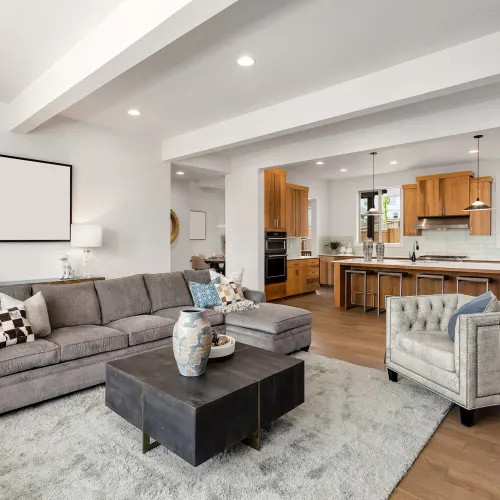
Why Layer an Area Rug on Carpet?
Placing a rug over carpet might seem unconventional at first, but it offers several compelling design and practical advantages:
- Adds Texture and Depth: Break up the monotony of a single carpet texture. A contrasting rug material (like jute, sisal, or a plush shag) creates visual richness and a multi-dimensional feel.
- Defines Zones: In open-concept rooms, a rug on carpet can clearly delineate a seating area, a reading nook, or a dining space, even without walls.
- Introduces Color and Pattern: Easily incorporate new colors, bold patterns, or intricate designs without committing to a full carpet replacement. This allows for more flexibility in decor updates.
- Protects High-Traffic Areas: Extend the life of your underlying carpet by placing a durable area rug in heavily used pathways or under furniture that sees a lot of movement.
- Enhances Comfort: Layering a thick, soft rug over existing carpet can amplify the cozy factor, making a space even more inviting and luxurious.
- Covers Imperfections: A strategically placed rug can discreetly hide minor stains, wear spots, or imperfections on your existing carpet, giving it new life.
How to Make it Work: Tips for Layering Rugs on Carpet
Successfully putting an area rug on carpet requires a few key considerations to ensure stability, aesthetics, and functionality.
1. Choose the Right Rug Pad (Crucial!)
This is the most important step for any rug over carpet installation.
- Avoid Slipping: A good rug pad prevents the top rug from sliding, bunching, or wrinkling, which can be a tripping hazard.
- Prevent Impressions: A quality pad provides a cushioning barrier that helps distribute weight evenly, preventing furniture legs or the rug’s edges from leaving deep indentations in your underlying carpet.
- Look for “Rug-to-Carpet” Pads: Specifically seek out rug pads designed for carpet-on-carpet applications. These are often thin, dense felt pads or rubber-coated mesh pads (ensure they are safe for carpet, as some rubber can react). They create friction without sticking or damaging the carpet fibers. Avoid traditional “rug-to-hard-floor” non-slip pads, which can actually cause damage or make the rug slip more.
- Size it Right: The rug pad should be slightly smaller than the area rug (about 1-2 inches shorter on each side) so it’s not visible.
2. Consider Your Base Carpet’s Pile Height
The pile of your existing carpet will influence the stability and look of your layered rug.
- Low Pile Base: A low-pile, dense carpet (like a Berber or commercial-grade carpet) provides the most stable foundation for layering.
- Medium Pile Base: Most medium-pile carpets (like cut-pile or textured frieze) can work well with a proper rug pad.
- High Pile Base (Shag, Frieze): This is the trickiest. While possible, a high-pile base can make the top rug feel unstable or “float.” If you must layer on high pile, choose a thinner, firmer rug for the top and an extra-dense rug-to-carpet pad. Or, consider using a very large rug that extends well under all furniture legs to anchor it.
3. Select the Right Area Rug Size and Shape
- Proportion is Key: The area rug should be appropriately sized for the space and for the furniture it’s meant to define.
- Living Room: All furniture should be on the rug, or at least the front legs of the main seating pieces (sofa, armchairs) should rest on it.
- Bedroom: A large rug extending from under the bed, past the nightstands, and out a few feet from the foot of the bed works well.
- Dining Room: The rug should be large enough that dining chairs remain on the rug even when pulled out.
- Shape: Rectangular rugs are most common, but consider round or abstract shapes to add unique visual interest, especially if contrasting with a more traditional room.
4. Play with Texture and Material Contrast
This is where the magic of carpet and rug layering happens!
- Varying Textures: The most effective layering often involves contrasting textures. If your base carpet is soft and plush, try a rug with a firmer, natural texture like jute, sisal, or a low-pile wool. If your base is low-pile, a plush, high-pile shag or a sheepskin rug on top can add incredible softness.
- Material Mix: Don’t be afraid to mix natural fibers with synthetics. A crisp cotton rug on a nylon carpet, or a soft wool rug on a polypropylene base, can look stunning.
5. Consider Color and Pattern
- Complementary vs. Contrast:
- Complementary: Choose a rug that has similar tones or a subtle pattern that blends seamlessly with your existing carpet for a harmonious, understated look.
- Contrast: For a bold statement, opt for a rug in a contrasting color or a vibrant pattern. Ensure at least one color in the rug ties into something else in the room to maintain cohesion.
- Anchor with Neutrals: If your base carpet is a neutral solid, you have endless possibilities for patterned or colored rugs. If your base carpet has a pattern, choose a solid or subtly textured rug for the top to avoid visual clutter.
Maintaining Your Layered Rugs
- Regular Vacuuming: Vacuum both rugs regularly, lifting the top rug and pad periodically to vacuum the base carpet and the underside of the rug pad. This prevents dirt buildup and potential impressions.
- Rotate Rugs: To ensure even wear and prevent permanent indentations on the underlying carpet, rotate your top rug every few months.
- Prompt Spill Cleanup: Address spills immediately on both rugs to prevent saturation and potential staining of the layers below.
Conclusion: Elevate Your Space with Nampa Floors & Interiors
So, can you put an area rug on carpet? Absolutely! Layering rugs is a versatile design trick that adds warmth, texture, and visual appeal to any carpeted room. By choosing the right rug pad, considering your base carpet’s pile, and playing with contrasting textures and colors, you can effortlessly achieve a sophisticated and inviting look for your home in Boise, Nampa, or the greater Maple Grove, ID community. Whether you’re aiming for a cozy reading nook or a defined seating area, a well-placed rug over carpet is a simple yet impactful solution.
At Nampa Floors & Interiors, our goal is to provide home and business owners with high-quality, readily available materials. We offer an extensive selection of in-stock products to complete your home renovation projects and commercial location upgrades efficiently and beautifully. Skip the long lead times and visit what many consider the premier flooring and interiors showroom easily accessible from Maple Grove. Our local experts are here to help you find the perfect area rugs and flooring solutions.
Contact us or visit our showroom locations in Boise, ID, or Nampa, ID today!