
White Oak vs. Red Oak: A Head-to-Head Guide for Your Next Floor
If you are looking for a new hardwood floor in the Treasure Valley, chances are you are considering Oak. It is the backbone of American flooring, prized for its durability, availability, and timeless appeal. However, the choice between White Oak and Red Oak can fundamentally change the aesthetic of your home. While they may sound similar, these two species behave differently when it comes to staining, moisture resistance, and visual “flow.” At Nampa Floors, we want to help you peel back the layers of these two hardwoods so you can select the one that perfectly aligns with your interior design goals and lifestyle needs.
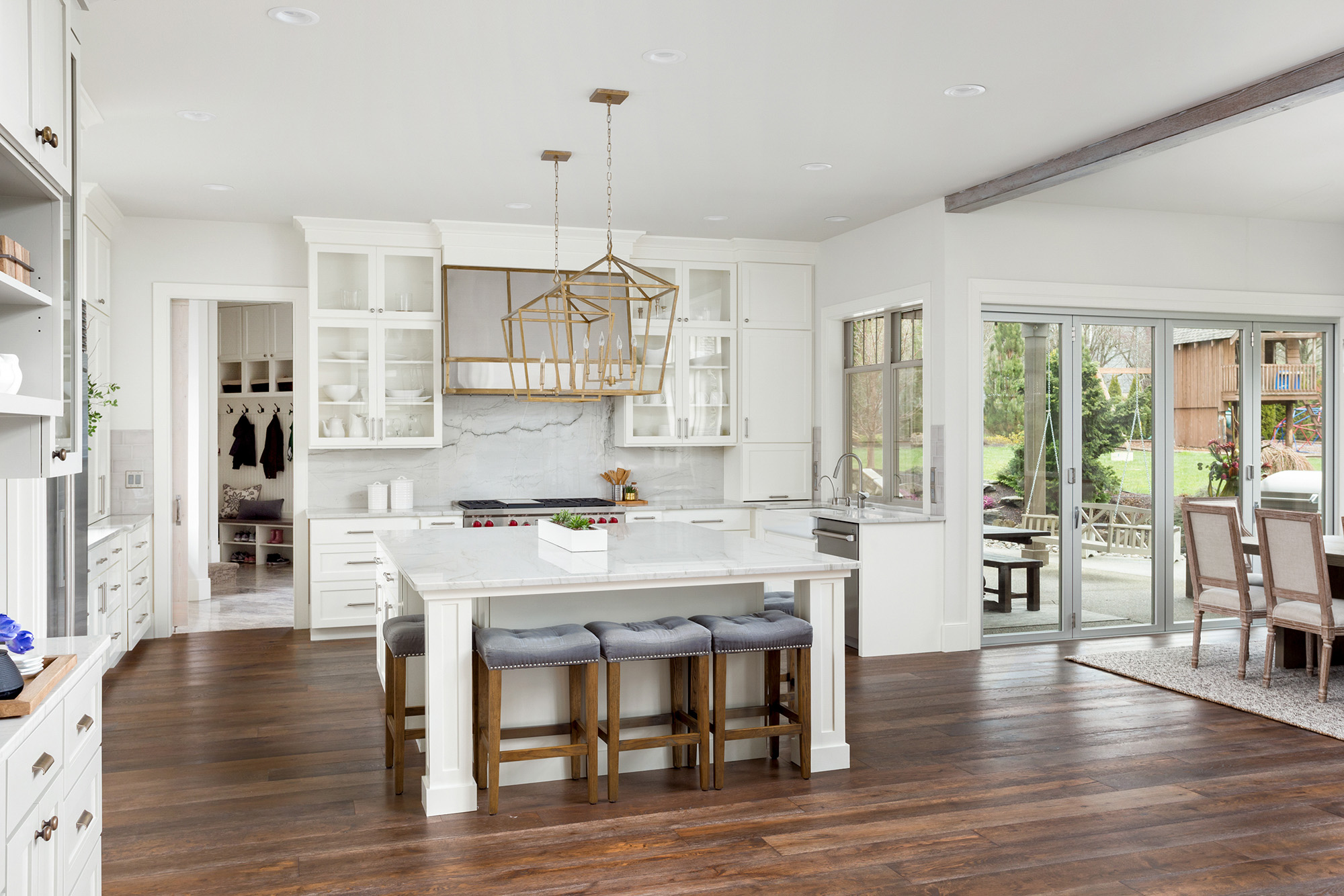
Visual Differences: Grain Patterns and Color Undertones
The most immediate difference between the two is how they look in their raw state and how they accept color. For many homeowners in Boise, the “grain” of the wood is the deciding factor.
Modern Grain of White Oak
White Oak is characterized by a tighter, more linear grain pattern. It features longer “rays” (the lines that run through the wood), giving it a cleaner, more contemporary appearance. If you are aiming for a “Modern Farmhouse” or “Scandinavian” aesthetic, White Oak is the clear winner. Its raw color is more of a wheat-tan or olive-gray, which allows it to accept light, “greige,” or “white-wash” stains without any pink undertones showing through.
Traditional Soul of Red Oak
Red Oak is the classic American floor. It features a more “open” and wild grain pattern with shorter rays, creating a textured, rhythmic look that is excellent at hiding scratches. As the name suggests, Red Oak has a warm, pinkish-to-red undertone. This makes it a fantastic choice for traditional or rustic homes in Nampa where a sense of warmth and history is desired. While it can be stained light, it will always pull a bit more “warmth” than its white counterpart.
Beyond aesthetics, there are structural differences that affect how these floors perform. Both are durable, but they have different “talents” when it comes to moisture and impact.
Hardness and Density Comparison
On the Janka scale, White Oak (1,360) is slightly harder than Red Oak (1,290). While the difference is subtle, White Oak’s higher density makes it slightly more resistant to deep gouges. However, because Red Oak’s grain is more porous and “busy,” it actually hides the daily wear and tear of a busy family or pets better than the smoother surface of White Oak.
Porosity and Water Resistance
White Oak is a “closed-pore” wood because its pores are plugged with a substance called “tylose.” This makes the wood naturally resistant to liquid penetration. It’s the same reason White Oak is used to make wine barrels. Red Oak is “open-pored,” meaning it can absorb liquid more quickly if a spill is left unattended. At Nampa Floors, we help you weigh these technical factors against your home’s unique layout to ensure a successful installation.
Stain Absorption and Tannin Interaction
When finalizing your choice between Red and White Oak for your Boise home, it is essential to consider how each species interacts with modern stain chemistry. Because Red Oak is significantly more porous, it acts like a sponge, drawing stain pigments deep into its cellular structure. This results in a very consistent, even color distribution, making it the preferred choice for homeowners who desire a traditional dark walnut or cherry finish. Conversely, White Oak is less “thirsty” due to its closed-pore structure. While it takes longer to dry, it allows for more “nuanced” staining.
Furthermore, the high tannin content in White Oak makes it the ideal candidate for “reactive” stains and bleaching processes that are trending in Treasure Valley design circles. Reactive stains work by interacting with the natural tannins in the wood to create weathered, aged, or driftwood appearances that look organic rather than painted on. Red Oak, having lower tannin levels, does not react as dramatically to these chemical treatments.
Decoding the Two Most Popular Woods in Idaho
Navigating the subtle botanical nuances between these two iconic hardwoods is the key to achieving a floor that resonates with your home’s architecture, and our team is dedicated to showing you exactly how these grains will interact with your unique lighting. We look forward to helping you choose an Oak species that doesn’t just meet your expectations but defines the character of your living space for decades to come. Contact us or visit us at our showroom locations in Boise, ID – Nampa, ID. We service the areas of Nampa Floors & Interiors, Inc. takes great pride in providing personalized customer service to every single client. Our knowledgeable and experienced staff is always available to answer any questions and help guide you as you choose your flooring all the way through the installation. We offer free in-home consultations and design services to help you find the perfect flooring and interior design products to fit your needs and style.