
Mixing and Matching: Using Laminate to Define Different Zones in Open-Concept Homes
Open-concept living has become a hallmark of modern home design across Boise, Nampa, and the greater Maple Grove, ID community. The seamless flow between living, dining, and kitchen areas creates a spacious, airy, and interconnected feel, perfect for entertaining and family life. However, while open floor plans offer undeniable advantages, they can sometimes feel sprawling or lack visual cues to differentiate functional areas. This is where strategic flooring choices, particularly with versatile laminate flooring, come into play. By cleverly mixing laminate styles and installation patterns, you can effectively use laminate to define zones, adding structure, character, and visual interest to your open-concept home. At Nampa Floors & Interiors, your local experts, we specialize in helping you create dynamic and beautiful interiors.
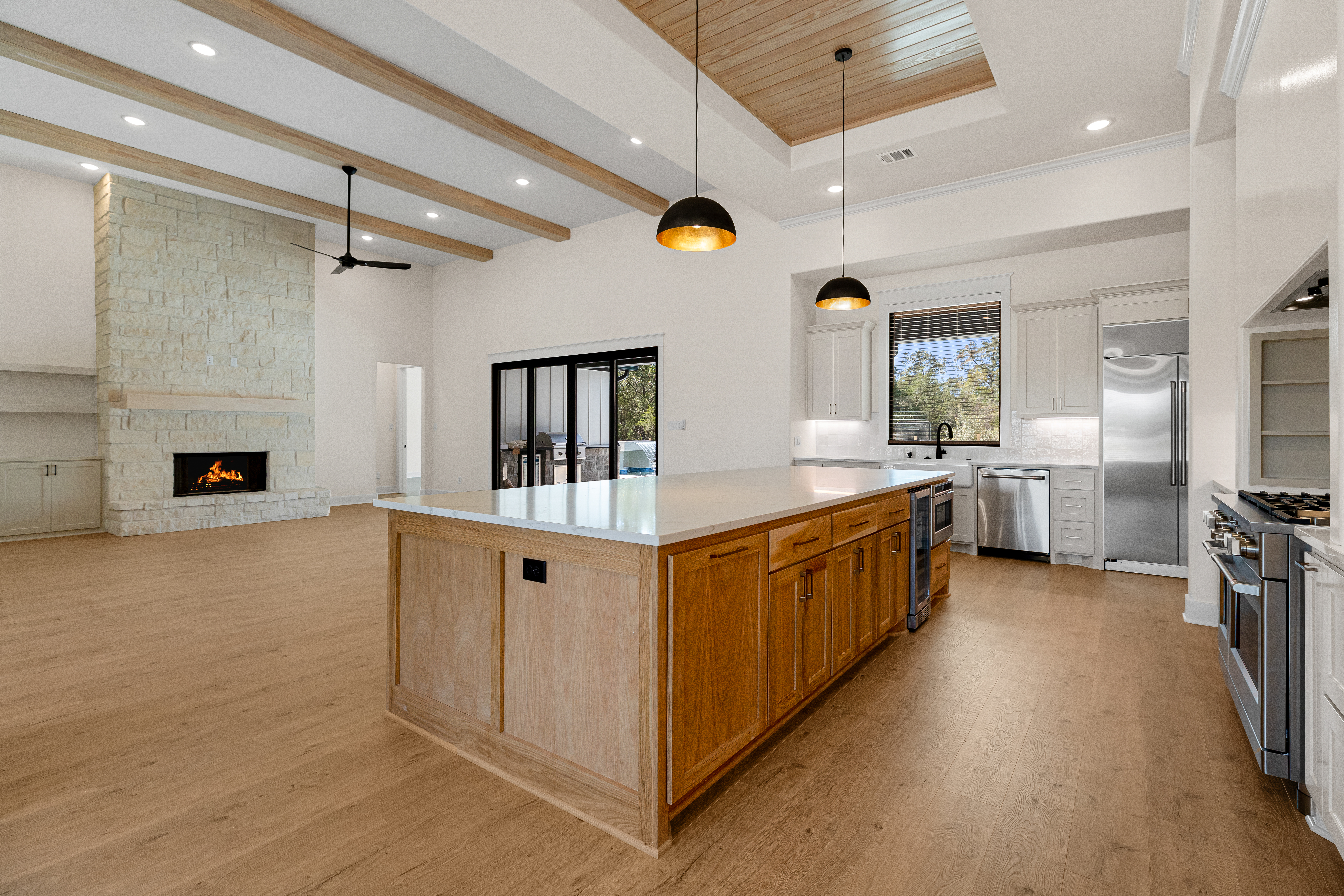
The Challenge of Open-Concept Spaces
Without walls to guide the eye, open-concept spaces can sometimes:
- Lack Definition: It can be unclear where one area ends and another begins.
- Feel Monotonous: A single flooring type throughout a large area can lead to a flat, uninspired look.
- Sacrifice Coziness: Large, undifferentiated spaces can sometimes feel less intimate.
The key to a successful open-concept laminate flooring design is to introduce subtle visual breaks that hint at different functional zones while maintaining the overall sense of openness.
Using Laminate to Define Zones: Creative Approaches
Here’s how you can strategically use laminate flooring to differentiate areas in your open-concept home:
1. Varying Plank Widths: Subtle Yet Effective Definition
- The Approach: Install laminate with different plank widths to delineate zones. For instance, use wider planks in the main living area for an expansive feel, and transition to narrower planks in the dining area or kitchen.
- How it Defines Zones: This creates a subtle visual shift that signals a change in function without a dramatic break. It adds a custom, sophisticated touch to your laminate for zone definition.
- Design Tip: Keep the color or wood species consistent across the different plank widths for a cohesive yet distinct look. This creates a harmonious flow while still highlighting the zone changes.
2. Changing Installation Patterns: A Powerful Visual Break
- The Approach: While running planks in a single direction typically creates a seamless look, changing the installation pattern is a powerful way to create a distinct visual boundary.
- Specific Patterns:
- Straight Lay (Traditional): Use this as your primary pattern in the main living space.
- Diagonal Lay: In the dining area or kitchen, switch to a diagonal installation. This immediately draws the eye and signifies a new zone. The angles add dynamic movement to the space.
- Herringbone or Chevron (Smaller Area): For a truly high-impact, luxurious look, install a small section of laminate in a herringbone or chevron pattern in a defined entryway, under a dining table, or as a feature within the kitchen. This creates an elegant “rug” effect that beautifully highlights the zone.
- How it Defines Zones: The dramatic change in direction or pattern provides a strong visual cue, effectively creating “rooms” within your open space. This is a standout technique for laminate floors in open floor plans.
- Design Tip: Ensure a very precise transition between patterns. This often requires a subtle border piece or a very clean cut line to emphasize the deliberate change.
3. Contrasting or Complementary Colors/Tones: Bold or Subtle Shifts
- The Approach: Use different laminate colors or tones to visually separate areas.
- Subtle Contrast: For a cohesive but differentiated look, choose laminates in the same wood species look but in slightly different tones (e.g., a light oak in the living area, and a slightly darker, warmer oak in the dining or kitchen). This is effective for mixing laminate styles.
- Strong Contrast: For a more dramatic definition, use distinctly different colors. For example, a light, airy laminate in the living room transitioning to a rich, dark laminate in the dining area or kitchen. This can create a bold statement and clearly mark different functions.
- How it Defines Zones: The color shift visually segments the space, guiding the eye from one function to the next.
- Design Tip: When using contrasting colors, ensure they still harmonize with the overall color palette of your home (walls, furniture, decor) to maintain a sense of unity.
4. Incorporating “Area Rug” Laminate Designs
- The Approach: Some laminate collections offer designs that mimic the look of large area rugs, complete with borders or intricate patterns.
- How it Defines Zones: This creates a distinct, built-in “rug” effect, visually grounding a seating area or dining space without the need for an actual fabric rug (which can sometimes curl or slip on laminate).
- Design Tip: Use this sparingly as a feature element to avoid overwhelming the space.
Practical Considerations for Mixing and Matching Laminate
While aesthetically pleasing, also consider the practical aspects of your laminate for zone definition:
- Seam Transitions: When changing plank widths, patterns, or colors, you will need very clean, professional transitions. Sometimes, a subtle T-molding or flush reducer might be necessary, though ideally, a direct, precise join is preferred for a seamless look.
- Underlayment Consistency: Ensure the underlayment used throughout the space is consistent to maintain uniform feel and sound absorption.
- Light Flow: Consider how natural and artificial light will interact with the different laminate styles and patterns. Glossier finishes might reflect light differently than matte ones.
- Professional Installation: For complex layouts involving mixing patterns or widths, professional installation is highly recommended. Our experts at Nampa Floors & Interiors have the tools and experience to ensure precise cuts and flawless transitions, vital for the longevity and aesthetic appeal of your open-concept laminate flooring.
Define Your Space with Nampa Floors & Interiors
Mixing and matching laminate styles offers an exciting opportunity to add character, structure, and personalized flair to your open-concept home. By strategically varying plank widths, changing installation patterns, or contrasting colors, you can effectively use laminate to define zones, creating visually distinct areas within a seamless flow. This innovative approach enhances both the functionality and the aesthetic appeal of your living space in Boise, Nampa, or the greater Maple Grove, ID community.
Nampa Floors & Interiors is dedicated to providing home and business owners with immediate access to high-quality, in-stock materials. Our vast selection ensures you can complete your renovation projects and commercial upgrades efficiently and with stunning results. Avoid the typical long lead times and visit our showroom—recognized as the premier destination for flooring and interiors and conveniently accessible from Maple Grove. Our local experts are specially trained to assist you in creating a dynamic and beautiful laminate design that enhances the flow and aesthetic of your open floor plan.
Contact us or visit our showroom locations in Boise, ID, or Nampa, ID today and let us help you transform your open-concept home!